 Skip to content




A refrigerator does more than just cool drinks; it is the heart of every kitchen, working around the clock to keep food fresh and safe. Both the refrigerator and freezer need the correct Refrigerator Control and temperature setting to maintain optimal performance. If the refrigerator temperature is incorrect, food can spoil, energy bills may rise, and the appliance could need costly repair or even early replacement.
By learning how to properly adjust and maintain your refrigerator temperature settings, you can extend the life of the appliance, save on bills, and ensure better food storage. This guide covers the best temperature range, troubleshooting tips, and everyday habits to help keep your food fresh.
Why Refrigerator Settings Matter for Energy and Food Safety
The refrigerator is one of the hardest-working appliances in your home, running nonstop to protect perishable items. Incorrect settings cause issues such as:
- Food safety risks: A warm refrigerator temperature lets bacteria multiply, risking spoilage.
- Energy waste: Setting the fridge or freezer too cold wastes electricity without improving freshness.
- System wear: Wrong temperature control makes compressors work harder, shortening lifespan and requiring earlier repair or installation of a new unit.
Good temperature tips help reduce energy waste and improve energy efficiency, keeping both your home and appliance running smoothly.
Recommended Refrigerator and Freezer Temperature Ranges
Experts recommend keeping your fridge and freezer temperatures within these safe ranges:
- Refrigerator temperature: Between 37°F–40°F. This ensures bacteria growth slows while keeping fresh food safe.
- Freezer temperature: 0°F is the standard to prevent freezer burn and preserve frozen food.
These fridge and freezer settings provide optimal food safety and energy-saving operation. If your refrigerator or freezer runs outside these numbers, it’s time to adjust the temperature.
How to Adjust Refrigerator and Freezer Controls Correctly
Every appliance has different controls:
- Dial models: Older refrigerators use number dials. Higher numbers mean colder air.
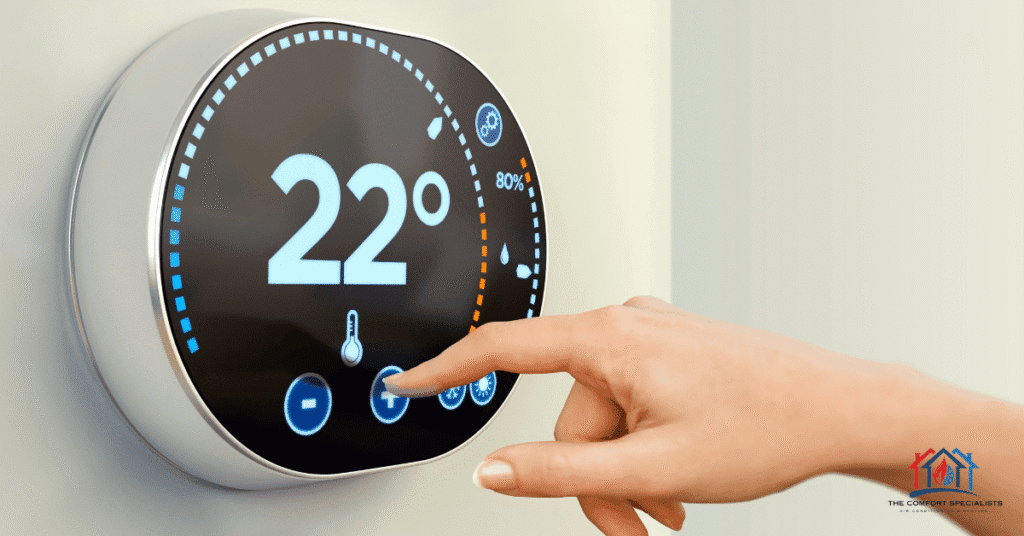
- Digital models: Newer units include a control panel for precise temperature control.
Steps to set your refrigerator temperature:
- Check the temperature with an appliance thermometer.
- Adjust dials or control panel slightly.
- Wait 24 hours for the temperature to stabilize.
- Re-check and repeat until within the ideal temperature range.
Signs your refrigerator isn’t set correctly:
- Spoilage before the “use by” date.
- Produce freezing in the compartment.
- Motor runs constantly or warm air leaks around the refrigerator door.
- Ice buildup in freezer compartments.
Common Mistakes to Avoid with Refrigerator Settings
Even correct refrigerator temperature settings can fail if habits interfere:
- Overload: Overpacking prevents airflow, making it harder to keep food cool.
- Blocked vents: Cold air must circulate freely.
- Incorrect settings: Too cold wastes energy, too warm risks spoilage.
- Ignoring cleaning: Dirty coils force the appliance to overwork.
- Door openings: Constantly opening the refrigerator and freezer doors reduces optimal freshness.
Avoiding these mistakes ensures your refrigerator correctly protects food fresh and safe.
Seasonal Tips for Refrigerator Efficiency
The temperature of the room impacts your appliance. Adjust settings accordingly:
- Summer: Hot ambient temperature makes the fridge and freezer work harder. Limit door openings and avoid direct sunlight.
- Winter: Keep your refrigerator away from heaters and vents to prevent overworking the thermostat.
- All year: Maintain space between items and allow airflow through every compartment.
This helps ensure optimal temperature control and better energy efficiency.

Maintenance Habits to Support Optimal Refrigerator Performance
Consistent cleaning and care are essential:
- Clean condenser coils regularly.
- Check the door seal for leaks.
- Defrost freezer compartments to prevent ice buildup.
- Organize food so airflow isn’t blocked.
These small steps, along with correct temperature setting, help keep the refrigerator running smoothly and reduce the need for costly repair or early installation of a new refrigerator.
When to Call for Professional Repair
If troubleshooting tips don’t solve the problem, call for service:
- Refrigerator may run constantly but not cool.
- Freezer set correctly but frost still appears.
- Loud noises or unusual vibrations.
- Spoilage despite setting the temperature controls.
Professional repair ensures your refrigerator and freezer maintain the right temperature and stay efficient.

Final Takeaways on Refrigerator Temperature Tips
- Set your fridge between 37°F–40°F and freezer control to 0°F.
- Always check the temperature with a thermometer.
- Allow 24 hours for the temperature to stabilize after changes.
- Avoid overload, blocked vents, and frequent door openings.
- Maintain seals, airflow, and regular cleaning to help keep your food fresh.
- Call a professional if your refrigerator isn’t staying in the within the recommended range despite adjustments.


