 Skip to content




Energy needs in today’s homes often lead to one common question: is propane liquid or gas? Propane is unique because it exists in both forms. It is stored as a liquid under pressure inside a propane tank, but once released through a valve, it becomes propane gas that fuels heating, cooking, and water systems. This ability to transition between liquid and gas makes propane one of the most versatile energy sources for residential propane users, whether for home heating, grills, or backup generators.
For families across Worcester MA and beyond, propane remains a trusted fuel because of its dependability, versatility, and ability to provide comfort year-round.
What Exactly Is Propane?
Propane is produced during natural gas processing and petroleum refining, making it a byproduct of natural gas processing and crude oil refining. In its pure propane state, it is odorless, though an odorant is added for safety.
Because it delivers high energy while producing fewer emissions compared to gasoline and diesel, propane is commonly used as a fuel for homes, vehicles, and businesses. In areas without gas lines, propane tanks provide a steady supply of propane, giving families independence and reliability.
Is Propane Liquid or Gas?
The short answer: propane is both.
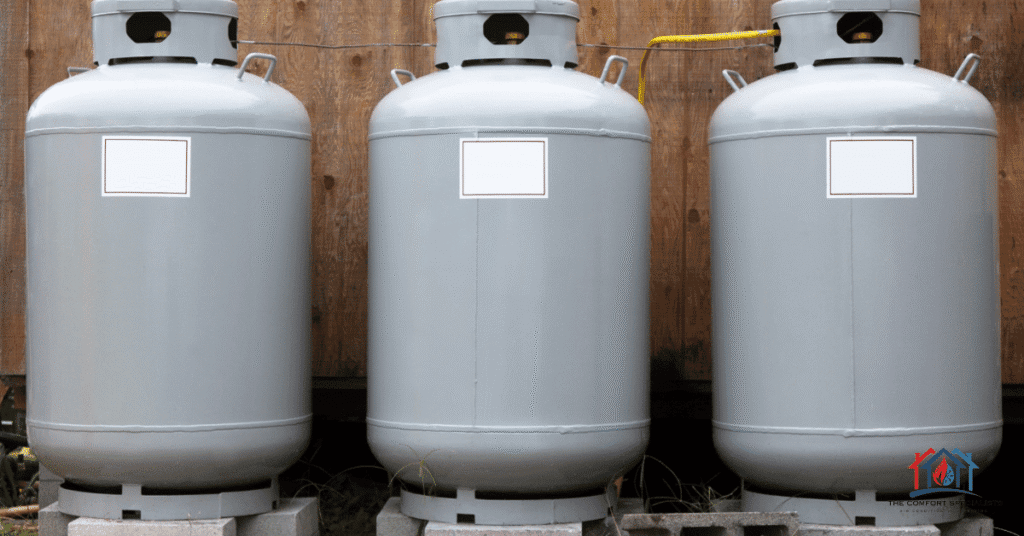
- Stored as a liquid: Inside tanks, propane is compressed and pressurized to about 150 pounds per square inch, which keeps it in liquid form.
- Used as a gas: When the valve opens, propane transitions from liquid state into its gaseous phase and becomes propane gas for furnaces, stoves, or a gas grill.
This process is why propane is known as liquefied petroleum gas (LPG) or LP gas.
How Propane Shifts Between States
The state of propane depends on temperature and pressure. Inside a sealed storage tank, propane is stored under pressure, which keeps it in liquid form. When pressure is reduced, propane vaporizes into gas.
Think of a soda can: carbonation stays dissolved in liquid under pressure, but once opened, gas escapes. Similarly, propane expands when released and becomes a gas at room temperature.
This controlled transition ensures that propane can be transported in liquid state but used efficiently in gas phase at home.
Why Propane Is Stored as a Liquid
Propane is almost always stored under pressure as a liquid. Here’s why:
- Efficiency – Liquid propane is denser than propane gas, meaning more energy can be stored in a smaller tank.
- Transport – Liquid propane is easier and safer to move than gaseous propane.
- On-demand use – Stored liquid propane vaporizes instantly when released, providing immediate fuel.
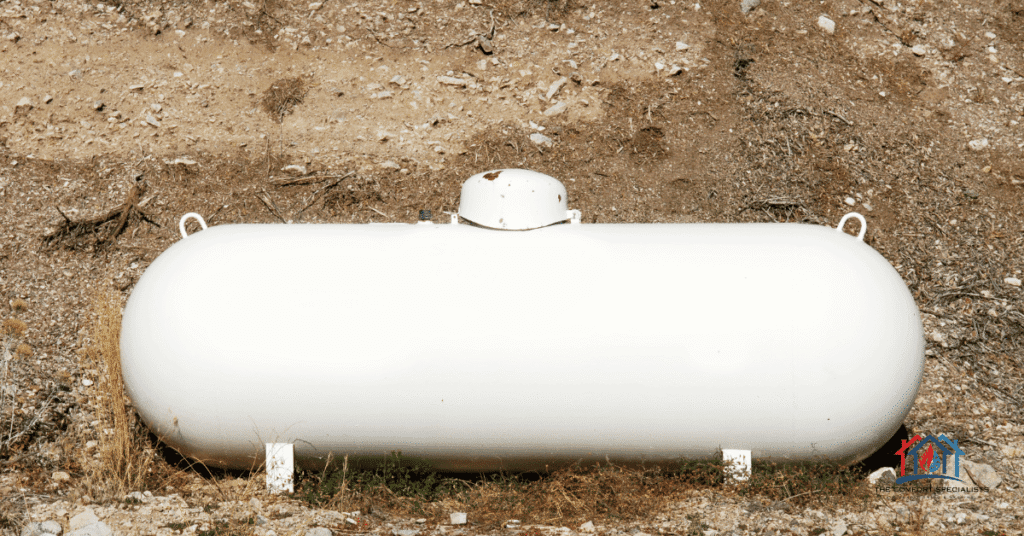
This makes a propane cylinder or larger storage tank ideal for residential propane users as well as commercial propane applications.
Everyday Uses of Propane Gas in Homes
When propane vaporizes into gaseous form, it becomes the reliable energy source for many household systems:
- Heating – Furnaces using propane fuel provide consistent warmth, even in winter.
- Hot water – Propane water heaters are efficient and quick.
- Cooking – Many prefer propane stoves for precise temperature control.
- Outdoor living – Grills, patio heaters, and fire pits often use propane gas.
- Backup power – Propane-fueled generators ensure safety during outages.

Propane vs Natural Gas
Choosing between propane and natural gas depends on access and needs:
- Availability – Natural gas comes via gas lines, but propane can be delivered anywhere.
- Energy content – Propane packs more energy per cubic foot than natural gas.
- Flexibility – Propane is commonly used in rural areas where gas extraction pipelines don’t reach.
- Cost – Propane prices may vary but often compete well with natural gas, oil refining products, and electricity.
Since propane is stored on-site, homeowners are not tied to pipeline interruptions.
Propane Industry and Production
The propane industry plays a major role in energy supply:
- Sources of propane – Propane is produced as a by-product of shale gas extraction and oil refining.
- Propane supply – Propane in the U.S. comes from both domestic and global refining.
- Propane autogas – Propane used in vehicles is becoming a cleaner alternative to gasoline and diesel.
- Commercial propane – Widely used in businesses, agriculture, and transportation.
This makes propane one of the most commonly used as a fuel alternatives worldwide.
Safety Considerations for Propane
Though propane is safe when handled properly, it requires regular cleaning, repair, and installation by professionals:
- Keep tanks outdoors and well-ventilated.
- Have propane appliances inspected yearly.
- Use carbon monoxide detectors.
- Never attempt DIY propane repair or valve adjustments.
Propane expands quickly if not stored correctly, so professional care ensures safety.
Final Thoughts
So, is propane liquid or gas? Propane transitions between both. It is pressurized to about 150 pounds inside tanks, stored as a liquid, and then becomes a gas when released for use. This dual nature makes propane an efficient, versatile, and dependable energy source for heating, cooking, and more.
From home heating systems to vehicle fuel, propane is a practical choice that combines efficiency, independence, and safety. Whether you use propane for a furnace, stove, or propane delivery for backup power, having a trusted contractor for installation and repair ensures peace of mind.


